General Liability Insurance for Landscapers is the Ultimate Piece of Safety Equipment
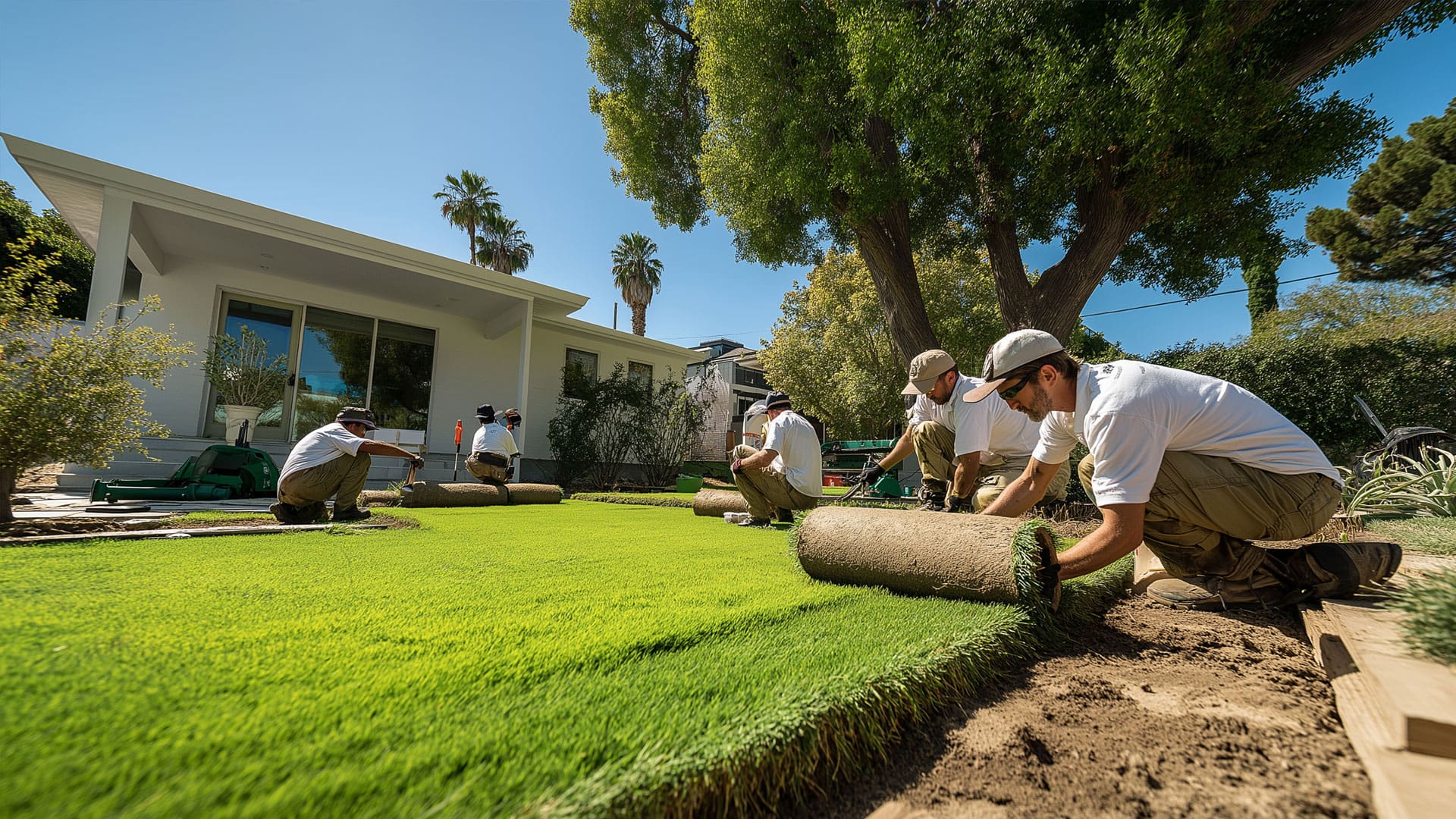
If you run a landscaping crew of twenty or more, you know the sound of a productive morning. It’s a symphony of zero-turn mowers revving, trimmers buzzing, and blowers humming. It’s the sound of revenue being generated.
But you also know that a job site is a chaotic place. It only takes a split second for that symphony to come to a screeching halt.
A rock meets a mower blade. A client trips over a hose. A flash flood washes your freshly laid mulch into a neighbor’s pristine pool.
We call these the “Oops Moments.” Without the right protection, an “Oops” can turn into an “Oh, no” that drains your bank account.
You have the trucks and the crews, but do you have the shield? Let’s talk about General Liability Insurance not as a stack of paper, but as the ultimate piece of safety equipment.
The “Oops” Factor: Understanding General Liability Insurance for Landscaping Businesses
You might think, “My guys are pros. We don’t make mistakes.” And I believe you! But business insurance for landscapers isn’t just for mistakes; it’s for the unpredictable parts of running a business
When you have crews spread across multiple commercial sites, the law of averages kicks in. Eventually, something typically goes wrong. The goal of general liability insurance is to stand between your hard-earned revenue and the costs that arise when the unexpected happens.
4 Key Factors That Drive General Liability Insurance Costs
1. The Nature of Your Work
Not all landscaping is created equally. To an insurer, cutting grass is very different from cutting down a 50-foot oak tree. These activities are assigned “class codes,” and each code carries a different rate based on risk.
Imagine two companies. Company A strictly mows lawns and plants flowers. Company B does that too, but they also offer tree topping and chemical applications. Company B has a much higher risk profile because falling branches and pollution spills cause significantly more damage than a lawnmower. If Company B is classified only as “gardeners,” they might be cheaper today, but they could have a claim denied tomorrow for doing work they weren’t rated for. This is one of the Top 10 Landscaping Business Insurance Pitfalls.
2. Your Payroll and Revenue
It’s a simple equation: more people working typically equals more exposure to accidents.
When you started with just five employees, your exposure was limited. Now that you have twenty-five employees spreading out over four different job sites simultaneously, the statistical chance of an “oops” goes up.
Note: This is why we check in regularly. If your payroll spikes because you landed a huge contract, your coverage needs to be adjusted.
3. Your Subcontractors
Do you hire specialists for hardscaping, irrigation, or lighting? Using subcontractors is a great way to scale, but it introduces a new layer of risk that carriers watch closely.
Say you hire a sub to install a retaining wall. They cut a corner, and the wall collapses on a client’s car. If that subcontractor doesn’t have their own valid insurance, the lawsuit comes up the chain to you. Carriers will charge you higher premiums if they see you using uninsured subs because they know they’ll be the ones footing the bill.
4. Your Claims History
Think of this like your credit score, but for risk. Carriers look at how frequently you file claims. Surprisingly, frequency often scares them more than severity.
When you know what drives your premiums, you’re better equipped to make decisions that protect both your business and your bottom line.
How to Reduce Your General Liability Premiums Without Cutting Corners
Inflation is hitting everyone, from fuel to fertilizer. The secret to lowering insurance premiums isn’t buying “cheap” insurance (which often leaves gaps); it’s about positioning your business as a “safe bet” to the insurance companies.
- Review Your Class Codes. Are your office staff being rated as tree trimmers? Are your mowing crews rated as excavators? Misclassification is a huge money-waster. We can check this for you during our insurance audit to ensure you aren’t overpaying
- Flaunt Your Safety Program! Do you have regular tailgate safety meetings? Document them! Carriers love businesses that prioritize risk management. If you can prove you are proactive, better rates can often be negotiated.
When to Reevaluate Your Coverage Limits
Your business is a living, breathing thing. It grows, it changes, and it evolves. The policy that protected you when you had two trucks and a push mower is likely not the policy you need now that you’re managing a fleet and a crew of twenty. You are leveling up, but if your armor doesn’t level up with you, you’re exposed.
You don’t need to be an insurance expert; you just need to know the trigger points.
If any of these 5 things are happening, it’s time to look at your policy:
- You’re offered a new, larger, celebratory contract.
- You’re looking at equipment upgrades.
- You’re adding new services to your business.
- You’re hiring new crews to meet work demands.
- You’re hiring more subcontractors.
The Bottom Line: If your business looks different today than it did six months ago, your insurance policy probably should too. Don’t let your success become your liability.
Mowers Break. Mistakes Happen. Be Ready.
You’ve worked too hard building your company to let one flying rock or one slippery sidewalk take it down.
At O’Connor Insurance Associates, we view ourselves as the “Safety Crew” for your finances. We don’t just hand you a standard policy and walk away. We know that every landscaping business is different: some do tree work, some do hardscape, some just mow.
Your business is growing. Don’t wait for an accident to find out if your coverage works.
Want to see real results? Check out how we helped Wise Cut Landscaping grow from a startup to a thriving operation by managing their risk the right way.
FAQs
How much general liability insurance does a landscaping company need?
There is no single “magic number” because every business is different. Instead, the amount you need is usually determined by two main things: your contracts and your assets. Most commercial clients, HOAs, and municipal bids will have a specific insurance requirement written right into the agreement. That sets your “starting line.” Beyond that, we look at what you have to protect.
Can safety programs really lower my premiums?
Absolutely. Think of it this way: Insurance carriers love boring businesses. They love businesses that don’t have accidents. If you can prove you have a documented safety program, like weekly tailgate meetings, mandatory PPE checklists, and driver training, you look like a “lower risk” investment to them. Over time, a clean claims history combined with safety protocols can qualify you for “preferred” pricing tiers that aren’t available to the guy who runs a sloppy operation.
How often should I review my policy?
You should review your policy at least once a year, or any time you are making big changes such as starting a new service, adding multiple new employees, taking on bigger jobs, or upgrading equipment.
What’s the difference between general liability and workers’ comp?
General Liability protects “Them” and Workers’ Comp protects “Us.” If you break a window or a client trips over a hose, general liability pays. If your employee throws out their back lifting a paver or gets cut by a trimmer, workers’ comp pays.